Chimney Inspection in Newton, NJ
Chimney inspection in Newton, NJ for homeowners who want to know what is really inside the flue. The firebox, damper, liner, crown and cap are checked, and you get a straight account of what was found.
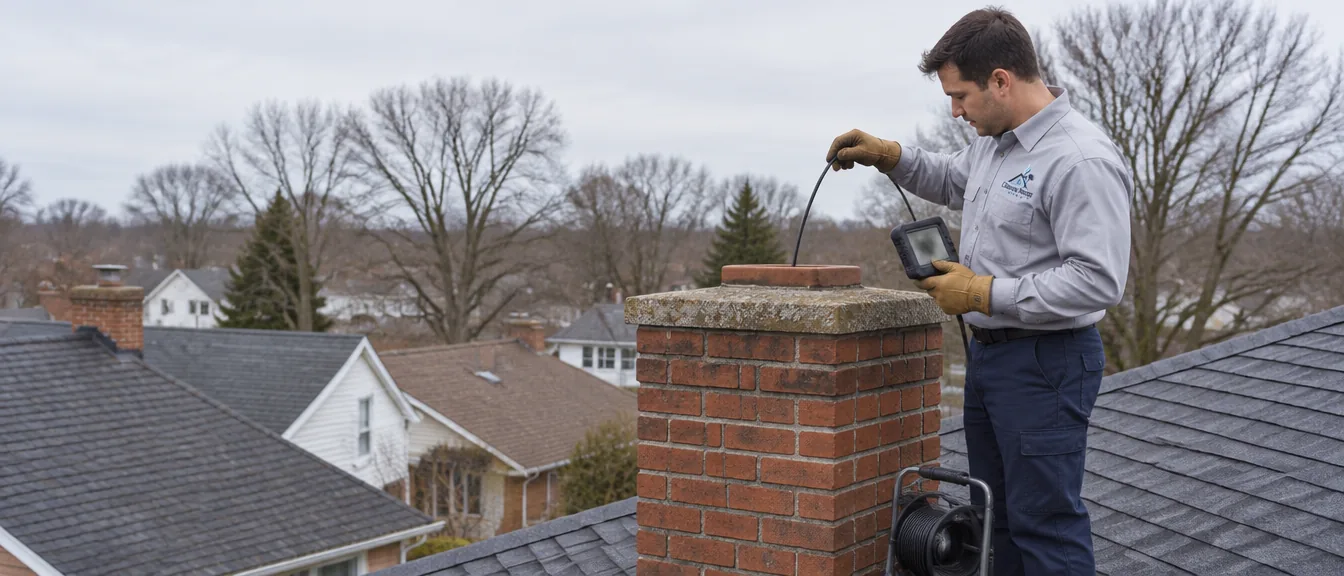
Most chimney damage cannot be seen from the room
A fireplace can look fine from the hearth and still have a cracked liner ten feet up. Flue tiles break from heat, from a past chimney fire or from water freezing in the joints between them. None of that shows until someone looks.
An inspection is that look. It follows a set order, from the firebox up through the smoke chamber and flue to the crown and cap, so nothing is skipped. On a house with a long history, as so many in Newton have, it often turns up old alterations as well: a flue shared by two appliances, a liner that stops short, or a thimble that was plastered over decades ago.
The national standard for chimneys, NFPA 211, calls for an inspection every year. It also calls for a more detailed one whenever a house changes hands, a new appliance is connected or the chimney has been through a fire or a storm.
When to book a chimney inspection
- It has been more than a year since the last one
- You are buying or selling a house with a fireplace or stove
- A new stove, insert or furnace is going in
- There has been a chimney fire, even a small one
- Smoke comes back into the room
- You see cracked tile or debris in the firebox
- A fireplace has gone unused for several winters
- A storm, a fallen limb or lightning hit the chimney
Level 1, level 2 or level 3?
NFPA 211 sets out three levels. Which one applies depends on what has changed, not on preference.
Level 1 is enough when
- Nothing about the system has changed
- The same appliance and the same fuel are in use
- The chimney has been serviced regularly
- It is the routine yearly check
Level 2 is called for when
- The property is being sold or transferred
- An appliance or fuel type is being changed
- There has been a chimney fire or weather damage
- A flue is being relined
What each inspection level includes
| Level | What is looked at |
|---|---|
| Level 1 | The parts that can be reached without tools: the firebox, damper, the visible flue and the outside of the chimney. It confirms the flue is clear and the structure is sound. |
| Level 2 | Everything in level 1, plus a camera run through the whole flue and a look at the chimney where it passes through the attic, crawl space or basement. |
| Level 3 | Everything in level 2, plus opening up part of the chimney or the wall around it. It is only done when a serious hidden problem is suspected. |
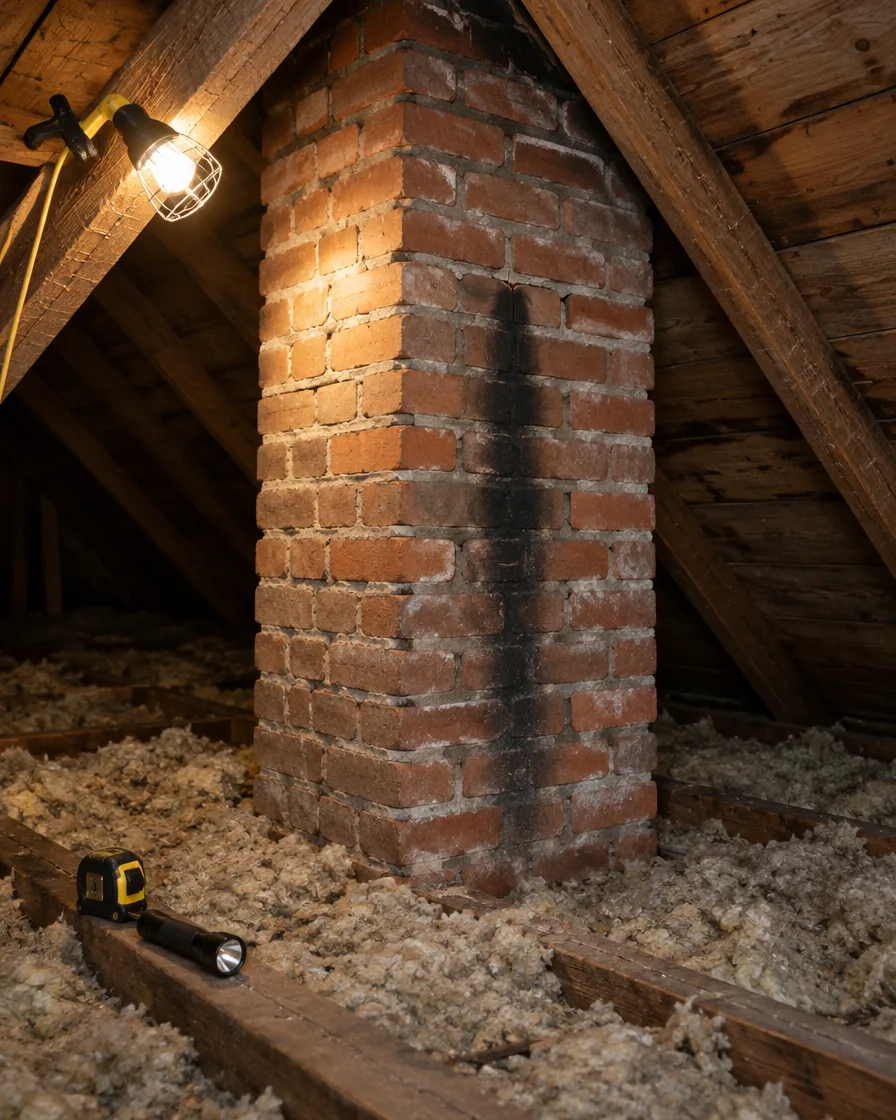
How a chimney inspection goes
Ask about the history
What you burn, how often, and anything you have noticed. It tells the inspector where to look hardest.
Check from the hearth
Firebox, damper, smoke shelf and the lower flue are examined with a light.
Check from above and with a camera
The crown, cap and flashing are looked at from the roof, and a camera travels the flue when a level 2 is needed.
Go through the findings
You are shown what was found and told what is urgent and what can wait.
Chimney Inspection questions
Is an inspection the same as a sweep?
No. A sweep removes soot and creosote. An inspection assesses the condition of the chimney. A heavily sooted flue usually has to be swept first so the liner can be seen.
Do I need an inspection to sell my house?
It is not always required, but a level 2 inspection is the standard when a property changes hands, and buyers often ask for one. Having it done early avoids surprises during the sale.
How long does a chimney inspection take?
A level 1 inspection is often done in under an hour. A level 2 inspection with a camera takes longer, depending on the height of the flue and how easy the roof is to reach.
Our Other Services
- Chimney Repair
- Chimney Leak Repair
- Chimney Liner Installation and Replacement
- Chimney Cap Installation and Replacement
The main service is our chimney sweep in Newton.